
Please change your selection or click Deselect.
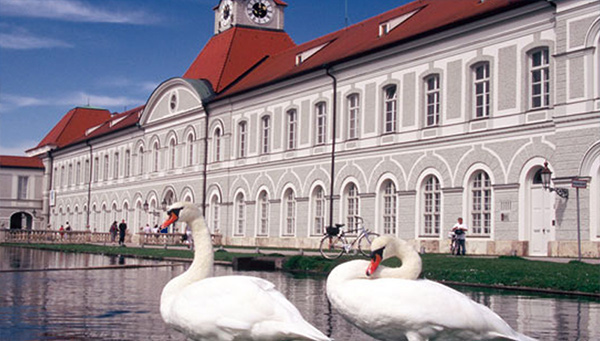
Castle Nymphenburg - Johannissaal
Mozart: Piano Sonata No. 13 in B-flat major, K. 332
Chopin: Scherzo No. 2 in B-flat major, Op. 31
Brahms: Piano Sonata No. 1 in F minor, Op. 5
Resident Soloist: Anton Bondarenko – Piano
This concert series serves as a tribute to Mozart, who gave a concert with his sister Nannerl in Nymphenburg Palace with Elector Maximilian III when he was seven years old and this went down in history.
Wolfgang Amadeus Mozart – Piano Sonata No. 13 in B-flat major, K. 332
This sonata is part of Mozart’s mature middle-period keyboard works, composed around 1778. The first movement features lively thematic development, rhythmic clarity, and classical formal balance. The Andante offers lyrical calm, delicate melodic lines, and subtle expressive nuance, while the final Allegro vivace combines sparkling virtuosity with contrasting figurations, bringing the work to a playful, energetic close. The blend of melodic beauty, structural precision, and pianistic inventiveness makes this sonata a highlight of the Mozart repertoire.
Frédéric Chopin – Scherzo No. 2 in B-flat major, Op. 31
Chopin’s Second Scherzo exemplifies his ability to merge dramatic intensity with lyrical sensitivity. The opening section unfolds stormy, powerful gestures, while the middle section contrasts with singing melodies and expressive calm. Rhythmic sophistication, unexpected harmonic turns, and virtuosic passages present both a technical and interpretive challenge. Despite the “Scherzo” title, the piece conveys deep emotional and poetic intensity.
Johannes Brahms – Piano Sonata No. 1 in F minor, Op. 5
Brahms’ First Piano Sonata, composed in 1853, is one of the most powerful and expressive works of his early period. The first movement impresses with heroic drama, dense motivic development, and energetic rhythms. The Adagio reveals intimate lyricism and profound poetic reflection, while the finale combines virtuosic runs, dramatic tension, and triumphant gestures to bring the sonata to an emotionally compelling conclusion. The work unites technical brilliance with rich musical language and remains a cornerstone of Romantic piano literature.
Castle Nymphenburg - Johannissaal
Mozart: Variations for Piano, KV 455
Schubert: Piano Sonata, D 958
Bach/Rachmaninov: Partita
Chopin: Étude, Op. 25, No. 11 “Winter Wind”
Balakirev: “Islamey”
This concert series serves as a tribute to Mozart, who gave a concert with his sister Nannerl in Nymphenburg Palace with Elector Maximilian III when he was seven years old and this went down in history.
Wolfgang Amadeus Mozart – Variations for Piano, K. 455
Mozart’s Variations KV 455, composed in 1784, exemplify his genius in transforming a simple theme into a series of imaginative and contrasting variations. Each variation explores new harmonic colors, rhythmic subtleties, and melodic surprises. The music combines playful lightness with elegant sophistication, offering both the performer and the audience a rich experience of expression, technique, and compositional finesse.
Franz Schubert – Piano Sonata, D 958
Schubert’s Sonata in C minor, D 958, was composed in 1828, during the final months of his life. The work is marked by deep emotional expression, lyrical beauty, and dramatic intensity. It juxtaposes melancholy, inner tension, and moments of brightness, making it one of the most significant works of late-Romantic piano literature. Schubert demonstrates his extraordinary ability to combine narrative depth with musical form.
Johann Sebastian Bach / Sergei Rachmaninov – Partita
In this interpretation, Bach’s Baroque clarity meets Rachmaninov’s Romantic expressiveness. The Partita unfolds contrapuntal structures, enriched by Rachmaninov’s harmonic colors, lyrical lines, and virtuosic passages. This fusion of two centuries of piano music offers a compelling perspective on form, style, and emotional depth.
Frédéric Chopin – Étude, Op. 25, No. 11 “Winter Wind”
Chopin’s “Winter Wind” Étude is a quintessential display of virtuosity and expressive power. Its swirling arpeggios and relentless momentum evoke the force and chill of a winter storm. The piece demands exceptional technical precision and rhythmic control while remaining deeply poetic, showcasing the intense drama of Romantic piano music.
Mily Balakirev – Islamey
Balakirev’s Islamey is one of the most virtuosic challenges in the piano repertoire. Inspired by Caucasian folk music, it combines fiery rhythms, rapid runs, and highly contrasting themes. Its energy, exotic colors, and technical extremes make Islamey a spectacular concert finale, highlighting the performer’s virtuosity and captivating the audience.
Castle Nymphenburg - Johannissaal
Mozart: Piano Sonata, K. 570
Granados: Goyescas I. Los Requiebros
Chopin: Étude, Op. 25, No. 11 “Winter Wind”
Schumann: Kreisleriana Op.16
Jielei Wang – Resident Soloist, Piano
This concert series serves as a tribute to Mozart, who gave a concert with his sister Nannerl in Nymphenburg Palace with Elector Maximilian III when he was seven years old and this went down in history.
Wolfgang Amadeus Mozart – Piano Sonata, K. 570
Mozart’s Piano Sonata in B-flat major, K. 570, composed in 1789, represents the mature clarity and elegance of his late Classical style. Its flowing melodies, balanced structures, and refined harmonic language create a sense of serene sophistication. The sonata combines lyricism with subtle rhythmic vitality, allowing the performer to explore both expressive nuance and precise articulation, showcasing Mozart’s mastery of form and charm.
Robert Schumann – Kreisleriana, Op. 16
Schumann’s Kreisleriana is a tour de force of Romantic piano writing, inspired by the eccentric literary character Johannes Kreisler. Composed in 1838, it alternates between passionate, stormy episodes and delicate, whimsical passages. The work’s dramatic contrasts and emotional intensity reflect Schumann’s imaginative spirit, inviting the listener into a deeply personal and expressive musical world.
Frédéric Chopin – Étude, Op. 25, No. 11 “Winter Wind”
Chopin’s “Winter Wind” Étude is a virtuosic masterpiece of technique and expression. Its swirling arpeggios, relentless momentum, and dramatic contrasts evoke the force and chill of a stormy winter. Beyond its technical demands, the piece conveys an intense emotional narrative, making it a quintessential example of Romantic pianism.
Enrique Granados – Los Requiebros
Granados’ Los Requiebros from Goyescas evokes the spirit of Spanish dance and song with rich melodic invention and rhythmic vitality. The piece is vibrant, sensuous, and full of expressive nuance, offering the performer opportunities to showcase both lyrical elegance and rhythmic flair, while immersing the listener in Granados’ uniquely Spanish musical world.
Castle Nymphenburg - Johannissaal
Mozart: Variationen, KV 398
Chopin: Klaviersonate, op. 35
Debussy: Estampes
Residenz-Solist: Sebastian Rauch - Klavier
This concert series serves as a tribute to Mozart, who gave a concert with his sister Nannerl in Nymphenburg Palace with Elector Maximilian III when he was seven years old and this went down in history.
Wolfgang Amadeus Mozart – Variations, K. 398
Mozart composed these charming piano variations in 1782, showcasing his brilliance in transforming a simple theme into a series of inventive and contrasting moods. The work combines elegance with playful virtuosity, allowing the performer to explore both lyrical expression and technical dexterity. Each variation reveals Mozart’s gift for melody, harmony, and subtle emotional shifts, making this piece a favorite in his keyboard repertoire.
Frédéric Chopin – Piano Sonata, Op. 35
Composed in 1839, Chopin’s Piano Sonata No. 2 in B-flat minor, Op. 35, is often recognized for its “Funeral March” in the third movement. The sonata is a profound exploration of contrasting emotions: stormy intensity, lyrical introspection, and dramatic tension. Despite its reputation for difficulty, it stands as a pinnacle of Romantic piano writing, combining structural innovation with Chopin’s unparalleled poetic expression.
Claude Debussy – Estampes
Debussy’s Estampes (1903) is a suite of three evocative piano pieces that paint vivid musical pictures. The movements—Pagodes, La soirée dans Grenade, and Jardins sous la pluie—transport the listener from the exoticism of Asia to the romantic streets of Granada, and finally to a lively rain-soaked garden. Debussy’s use of impressionistic textures, colorful harmonies, and rhythmic freedom creates an immersive, painterly soundscape that revolutionized the possibilities of piano music.
Resident Soloist Sebastian Rauch – Piano
Sebastian Rauch brings these masterpieces to life with artistry and sensitivity, exploring the full range of historical styles—from the Classical refinement of Mozart, through the Romantic intensity of Chopin, to the impressionistic colors of Debussy.
Castle Nymphenburg - Johannissaal
Mozart: Piano Sonata, K. 2V 279
Chopin: Ballade, Op. 23
Rachmaninov: Moments Musicaux, Op. 16 – Nos. 3 & 4
Schumann: Carnival Scenes (Faschingsschwank), Op. 26
Dorothea Hanebuth – Resident Soloist, Piano
This concert series serves as a tribute to Mozart, who gave a concert with his sister Nannerl in Nymphenburg Palace with Elector Maximilian III when he was seven years old and this went down in history.
The program takes the listener on a journey through the rich landscape of piano music, spanning the elegance of the Classical era, the intensity of Romanticism, and the imaginative colors of late-Romantic virtuosity.
We begin with Wolfgang Amadeus Mozart and his Piano Sonata, K. 279. Here, Mozart’s clarity, balance, and playful inventiveness shine. Simple motifs are transformed into a lively, expressive dialogue between elegance and emotion, inviting the listener into the refined world of 18th-century Viennese music.
From Mozart’s Classical precision, the journey moves into the passionate and dramatic realm of Frédéric Chopin with his Ballade, Op. 23. This masterpiece draws the audience into a story of longing, tension, and poetic intensity, with unexpected turns and rich harmonies that showcase the full emotional breadth of Romantic piano music.
Next, we experience the lush lyricism and fiery virtuosity of Sergei Rachmaninov in Moments Musicaux, Op. 16, Nos. 3 & 4. These pieces are a study in contrasts—No. 3 enchants with its singing melodies, while No. 4 bursts forth with dramatic power and rhythmic drive. Together, they create a window into Rachmaninov’s intensely expressive and technically brilliant musical universe.
The program concludes with the playful, imaginative world of Robert Schumann in Carnival Scenes (Faschingsschwank), Op. 26. Schumann leads us through a whimsical, vibrant cycle of moods—from humor and charm to lyrical reflection and virtuosic brilliance—creating the sense of a musical celebration, a lively festival that delights both performer and audience.
Castle Nymphenburg - Johannissaal
Classical masterpieces from Mozart to Beethoven, Chopin, Debussy and Ravel.
This concert series serves as a tribute to Mozart, who gave a concert with his sister Nannerl in Nymphenburg Palace with Elector Maximilian III when he was seven years old and this went down in history.
Castle Nymphenburg - Johannissaal
Classical masterpieces from Mozart to Beethoven, Chopin, Debussy and Ravel.
This concert series serves as a tribute to Mozart, who gave a concert with his sister Nannerl in Nymphenburg Palace with Elector Maximilian III when he was seven years old and this went down in history.
Castle Nymphenburg - Johannissaal
Classical masterpieces from Mozart to Beethoven, Chopin, Debussy and Ravel.
This concert series serves as a tribute to Mozart, who gave a concert with his sister Nannerl in Nymphenburg Palace with Elector Maximilian III when he was seven years old and this went down in history.
Castle Nymphenburg - Johannissaal
Classical masterpieces from Mozart to Beethoven, Chopin, Debussy and Ravel.
This concert series serves as a tribute to Mozart, who gave a concert with his sister Nannerl in Nymphenburg Palace with Elector Maximilian III when he was seven years old and this went down in history.
Castle Nymphenburg - Johannissaal
Classical masterpieces from Mozart to Beethoven, Chopin, Debussy and Ravel.
This concert series serves as a tribute to Mozart, who gave a concert with his sister Nannerl in Nymphenburg Palace with Elector Maximilian III when he was seven years old and this went down in history.
